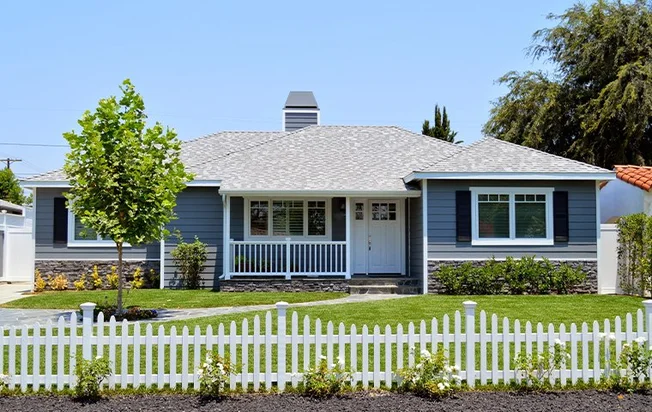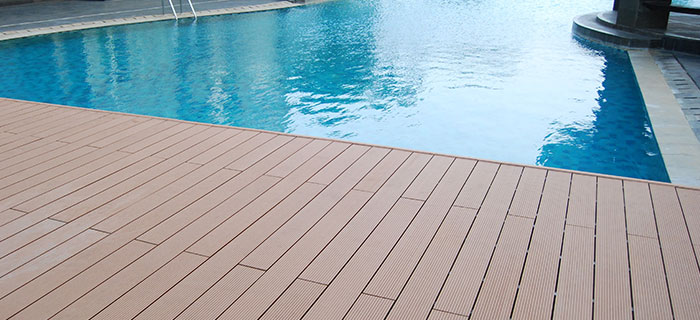


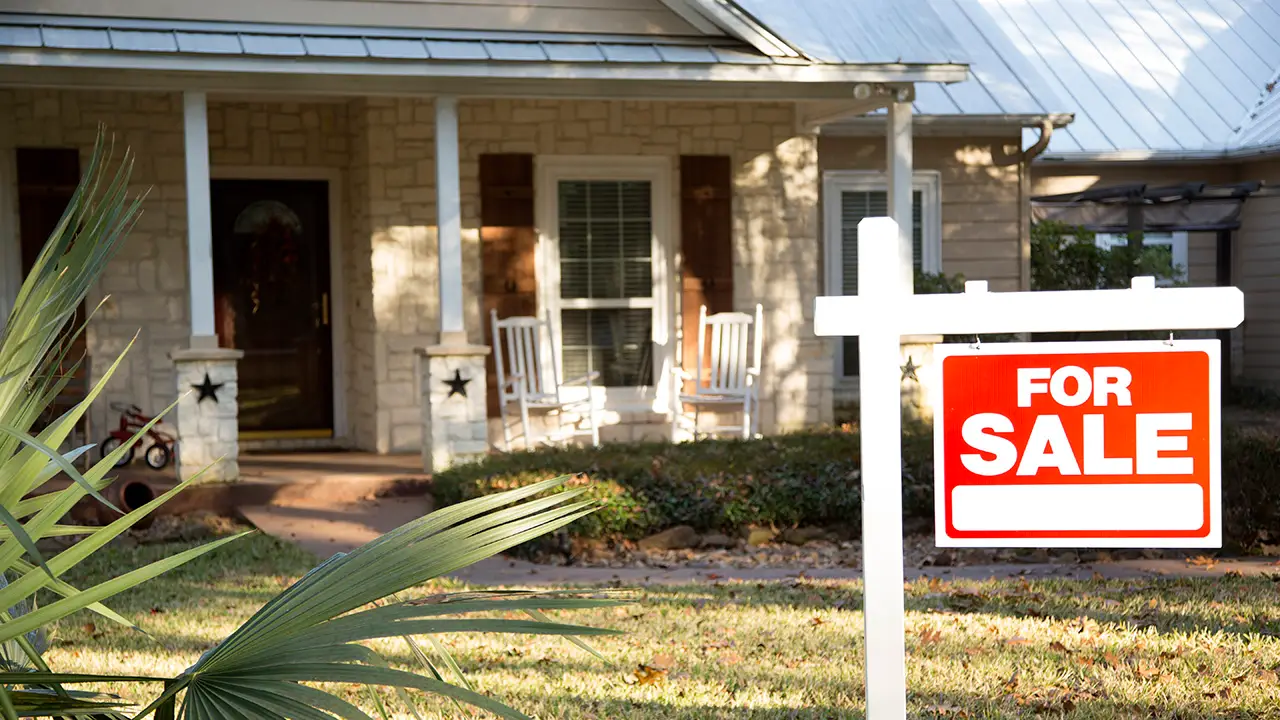
Curb appeal shapes buyer perception long before interior features come into play, and exterior flaws can quietly reduce a property’s value in ways sellers rarely anticipate. As a real estate agent, it becomes clear that small exterior problems — from cracked driveways to peeling paint — can cost sellers thousands without them realizing it. Buyers often assume that visible neglect outdoors reflects deeper problems indoors, even when the interior is pristine. In competitive Canadian markets where first impressions translate directly into offers, deferred outdoor maintenance can reduce demand, prolong days on market, and invite aggressive negotiation tactics. Investing in exterior upkeep becomes one of the most cost-effective ways to support pricing power and marketability, especially when preparing a home for sale.
Cracked Driveways, Uneven Walkways, and the Risk They Signal
Exterior surfaces naturally wear down over time, especially in regions with freeze–thaw cycles and heavy winter use. Driveways with cracks, potholes, or surface deterioration send a message that the property has not been maintained. Buyers often interpret visible damage as a sign that drainage, grading, or foundation stability may also be in question. Even if the issue is cosmetic, it creates uncertainty that reduces buyer confidence. Driveway resurfacing or repair is less expensive than many sellers assume, and it often delivers a high return because it immediately enhances curb appeal and reduces perceived risk.
Uneven walkways create a different kind of concern: safety. Raised pavers, loose stones, or cracked concrete present tripping hazards, which raise questions about upkeep and liability. Families, seniors, and buyers with mobility concerns tend to eliminate properties with obvious accessibility barriers. Homes that appear difficult to navigate outdoors can lose interest before buyers ever view the interior. Ensuring smooth, safe, and visually appealing pathways eliminates this barrier and supports broader buyer appeal.
Peeling Paint, Fading Siding, and the Problem with Neglect
Exterior finishes provide more than aesthetic value — they protect the structure from moisture, pests, and weather damage. When paint is peeling, siding is discoloured, or stucco is cracked, buyers quickly assume repairs will be expensive and time-consuming. These conditions suggest that further deterioration may already be underway, especially if the home has wood siding exposed to moisture. Even minor wear can contribute to an impression of neglect, shifting buyer expectations from “move-in ready” to “project home.”
Refreshing exterior surfaces can dramatically improve property perception. A simple coat of paint, pressure washing, or targeted siding repair can transform a home’s appearance and reduce buyer anxiety. Modern finishes in neutral colours also make a property look newer and more market-relevant. Small improvements in this category often yield a strong return on investment because they eliminate visible flaws that invite negotiation pressure.
Damaged Eavestroughs and Poor Water Management
Eavestroughs and downspouts rarely top a seller’s priority list, but buyers notice when they sag, leak, or overflow. Poor water management raises concerns about basement flooding, foundation damage, and landscape erosion — all costly problems that buyers want to avoid. During showings, overflowing downspouts or pooling water can immediately diminish confidence. Even if no structural damage exists, the potential for future issues affects how buyers evaluate the home’s worth and long-term reliability.
Repairing or replacing eavestroughs is inexpensive relative to the problems they prevent. Ensuring that drainage systems are clean, secure, and properly directed away from the foundation demonstrates preventative care. These repairs also protect landscaping from erosion, helping maintain a property’s exterior aesthetics. In regions with heavy rainfall or snowmelt, functioning eavestroughs are not optional — they are essential for safeguarding home value.
Ageing Windows, Drafts, and Rising Energy Concerns
Windows are one of the most common exterior features buyers analyze because they influence aesthetics, energy efficiency, and maintenance expectations. Ageing windows with rotting frames, condensation, or peeling caulking suggest high heating costs and future replacement expenses. In a climate where winters are long and energy bills are significant, poor window performance becomes a financial concern. Buyers often reduce offers based on anticipated replacement costs, which can run into thousands for a full home upgrade.
Beyond cost, outdated windows affect comfort and practicality. Homes that feel drafty or struggle to maintain consistent indoor temperature are less appealing, particularly to families or buyers sensitive to environmental impact. Sellers can boost perceived value through simple improvements, such as re-caulking, repainting frames, or replacing fogged panes. Even partial upgrades create strong visual and functional value with moderate investment.
Neglected Landscaping and Low Visual Appeal
Overgrown gardens, patchy grass, and untrimmed shrubs are more than cosmetic issues — they send a message about overall property care. Buyers often assume that poor landscaping reflects a lack of maintenance indoors, raising concerns about hidden problems. Messy yards can also make properties appear smaller, darker, or less welcoming. Landscaping plays a key emotional role in how buyers connect with a home because it contributes to calmness, beauty, and usability.
Improving curb appeal does not require extensive redesign. Basic trimming, fresh mulch, and replacement of dead plants can refresh a yard quickly and affordably. Clean lines, simple greenery, and clear sightlines help highlight architectural features and improve the sense of space. Homes that look well-tended from the street often sell faster and for higher prices because they evoke pride and comfort.
Outdated Exterior Lighting and Evening Impressions
Exterior lighting influences both safety and ambience. Dim, broken, or mismatched lighting makes a home feel unwelcoming at dusk, which matters during evening showings or open houses. Poor visibility can also draw attention to other flaws, such as cracked surfaces or uneven landscaping. Buyers often prioritize outdoor safety features, especially if they have children or pets. Lighting upgrades improve both aesthetic appeal and practical function.
Modern lighting fixtures offer inexpensive ways to refresh the exterior and highlight architectural strengths. Warm, consistent lighting around entry points creates a strong first impression and guides visitors safely to the door. Motion lights, pathway lighting, and LED upgrades appeal to buyers because they enhance security and efficiency. Sellers benefit because lighting improvements are low-cost upgrades with high perceived value.
The High Cost of Overlooking Small Problems
Exterior maintenance often feels secondary to interior updates, but buyers rarely make that distinction. Small exterior issues erode confidence quickly and invite lower offers by signalling potential long-term expenses. Even when problems are inexpensive to repair, buyers use them as negotiation leverage because they indicate deferred maintenance. Addressing these repairs before listing helps eliminate uncertainty, support higher asking prices, and attract more confident purchasers.
Properties that look clean, updated, and well-maintained inspire stronger buyer interest and competitive bidding. Exterior improvements not only boost aesthetic appeal but also reduce assumptions about hidden defects. Sellers who invest in maintenance often recover the cost through faster sales and stronger offers — a worthwhile strategy in any market. Before focusing solely on interior upgrades, addressing small outdoor flaws ensures that buyers step through the door with confidence rather than caution.