


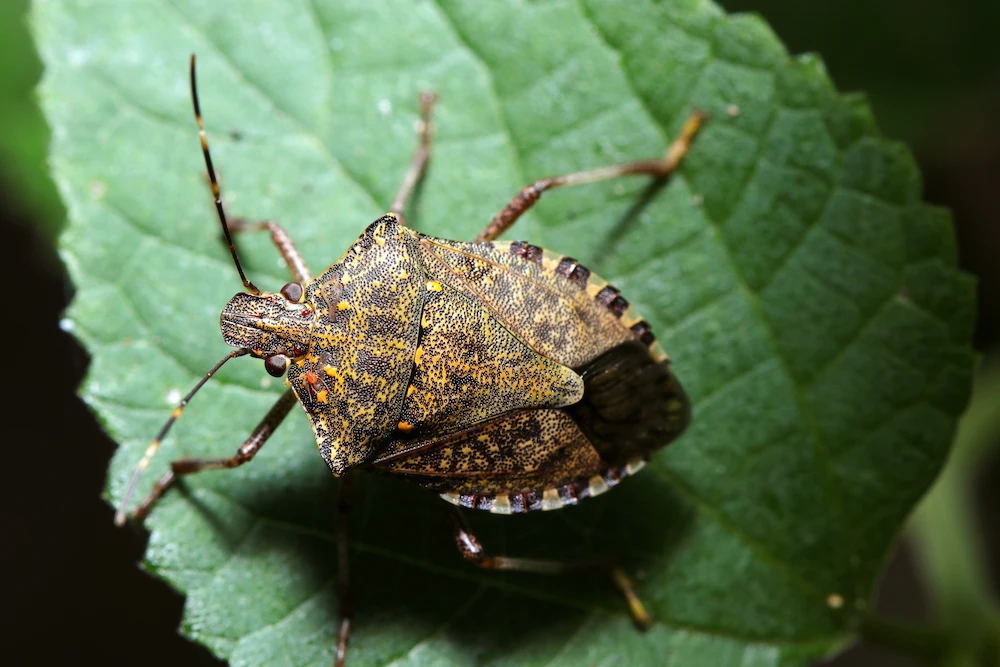
Stink bugs for shelter. In nature, they hide under bark or inside tree crevices during cooler months. Suburban homes in Coppell offer a much better option. They get warmth and feel safe when inside walls, attics, and window frames.
Stink bugs may remain mostly inactive when inside homes. They do not breed indoors, but their presence can cause stress and unpleasant odors when disturbed. Timing is important when dealing with these bugs, since most invasions occur during a narrow part of the year. Thankfully, Romney Pest Control is always ready to help homeowners who need them to eliminate stink bugs and make a home protected against these invaders for good.
Early Fall Marks the Start of Stink Bug Activity
Stink bug invasions in Coppell usually begin in early fall. These insects can sense the seasonal change as summer heat fades and nights cool. Shorter days can trigger their search for overwinter shelter.
They are usually sighted in September. Homeowners may notice stink bugs on exterior walls, especially on sunny afternoons. South- and west-facing sides of homes attract them due to the warmth from the sun. At this stage, bugs remain outside but scout for entry points.
Peak Invasions Happen in Mid to Late Fall
October is usually the busiest month for stink bugs to enter homes in Coppell. Temperatures drop more consistently, which pushes them indoors. This is when homeowners notice stink bugs crawl across walls or gather near windows. Stink bugs usually hide in attics, wall voids, and unused rooms. By November, most of the movement slows. Those that made it inside settle into dormant states, while others outside fail to survive colder nights.
Why Coppell Homes Attract Stink Bugs
Coppell has mature trees and landscaped neighborhoods. Also, suburban growth here has been constant. These features support stink bug populations. Trees such as maple and oak serve as feeding sites during warmer months.
Homes built near green spaces face a higher risk. Light-colored siding also draws stink bugs, as it reflects heat and stands out visually.
Winter Sightings Still Happen
Cold weather should mean fewer insects, but stink bugs wake up when indoor temperatures rise. Sunny winter days or active heating systems can trigger brief movement. Bugs crawl out of walls and appear near lights or windows. These sightings reflect insects already inside the structure.
Spring Brings an Exit Phase
Stink bugs become active again as temperatures rise in March and April. They search for a way outside to resume their life cycle. This leads to increased indoor movement.
Homeowners may notice stink bugs near windows or doors as they try to escape. Opening windows during warm days gives them an exit route.
Common Entry Points Stink Bugs Use
Stink bugs exploit tiny openings. Common access points include gaps around window frames, door sweeps, attic vents, and utility lines. Chimneys without proper screens also pose a risk. Also, stink bugs can take advantage of garage doors that fail to seal tightly.
Crushing stink bugs causes odor, which lingers and attracts attention. Vacuuming works better, though bags need disposal soon after. Leaving exterior lights on during fall nights also draws insects closer to homes. Light attracts prey insects, which in turn draw stink bugs.
Steps That Help Before Fall Arrives
Late summer serves as the best prep period against stink bugs. Gaps around windows and doors should be sealed before bugs arrive. Also, screens and attic vents should be repaired to reduce access. Exterior inspections during August catch weak points early. Professional pest inspections before fall help identify risk areas unique to each home. Preventive treatments applied outdoors discourage bugs from gathering on walls.