


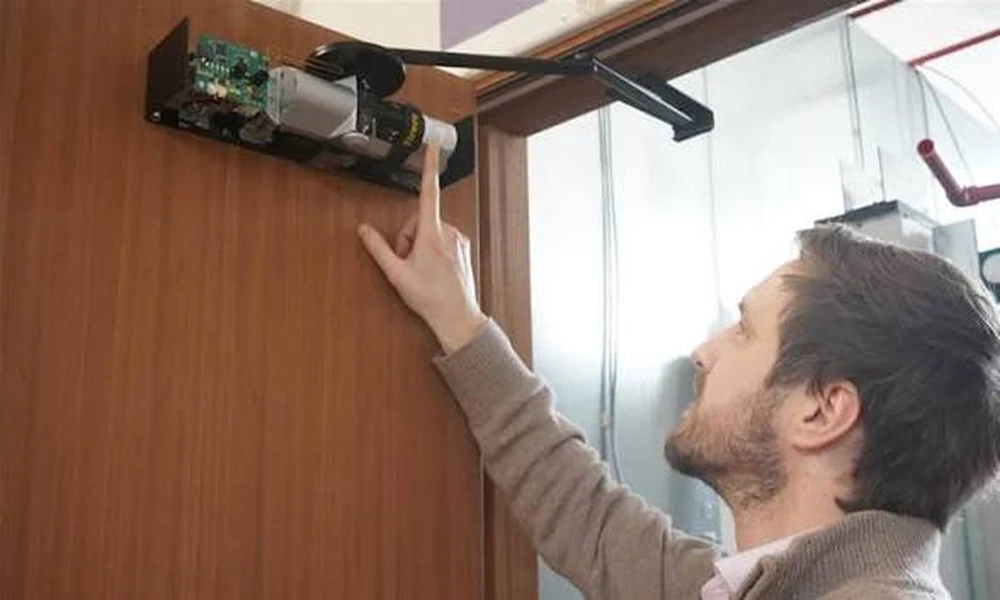
A fire door only works if it closes properly, seals properly, and holds back smoke and flame for the time it was designed to. None of that happens by accident. Hinges wear, seals perish, closers weaken, and gaps widen over months of everyday use, often without anyone noticing. Regular inspection is the only way to know whether a door will actually do its job on the day it matters. The frequency depends on the type of building you manage, but the general rule is simple: check often, check properly, and write down what you find.
Why Fire Door Inspections Cannot Be Treated as Optional
Every fire door in a commercial or communal building forms part of a wider system designed to compartmentalise fire and give people time to escape. A single door left propped open, or fitted with a worn seal, can undo the protection that the rest of the building provides. The Regulatory Reform (Fire Safety) Order 2005 places a legal duty on the responsible person to keep fire doors in efficient working order. That duty does not end once a door is fitted. It continues for as long as the building is in use.
What the Rules Actually Say About Frequency
Guidance from the Fire Door Safety Campaign and the British Woodworking Federation recommends that fire doors in commercial buildings receive a full check at least every six months, with communal areas of higher-risk buildings checked far more often. Since the Grenfell Tower tragedy and the introduction of the Building Safety Act 2022, landlords of high-rise residential buildings above eighteen metres, or with seven or more storeys, must inspect fire doors in communal areas at least every three months, and flat entrance doors at least once a year. Lower-risk residential blocks still need annual checks as part of the building’s fire risk assessment, even where the three-month rule does not apply.
Simple Checks Staff Can Carry Out Every Week
Not every check needs a specialist. Staff who use a building daily can spot obvious faults long before a formal inspection is due. A quick weekly look should confirm that the door closes fully into its frame without sticking, that nothing is wedged or propped underneath it, and that the gaps around the edges look consistent and free of visible damage. Anyone can learn to do this in a few minutes, and catching a problem early often costs nothing more than a call to a maintenance contractor.
The Full Quarterly or Six-Monthly Inspection
A proper inspection goes much deeper than a glance. It checks that the door leaf itself shows no cracks, splits, or damage to the intumescent seals fitted around the frame. It tests the self-closing device to confirm the door shuts firmly from any open position, including from a fully open ninety degrees. It inspects the hinges for wear, the glazing for the correct fire-rated specification, and the signage to confirm it remains visible and undamaged. Gaps between the door and frame should sit within three millimetres at the top and sides, and the threshold gap should not exceed the manufacturer’s stated tolerance, usually around eight to ten millimetres. Any hold-open device fitted to the door must release automatically when the fire alarm sounds, not simply on a timer.
Buildings That Need Checks More Often Than the Minimum
Some buildings carry risks that push inspection frequency well past the standard guidance. Care homes, hospitals, schools, and buildings with vulnerable occupants often benefit from monthly visual checks alongside the formal quarterly inspection. The consequences of a failed door in these settings are far more serious. Buildings undergoing construction work, or those with heavy footfall through fire doors during the working day, also wear out seals and closers faster than a quiet office block, so they need more frequent checks as a result.
Who Should Actually Carry Out the Work
Weekly visual checks can be carried out by any trained member of staff. The formal inspection requires someone with technical knowledge of fire door construction and current standards, such as BS 8214 and BS 476. Many organisations use a certified fire door inspector accredited through a scheme such as FDIS, particularly for larger buildings where dozens of doors need assessing consistently. Getting this right matters because an inspector who does not understand how intumescent seals or self-closing mechanisms behave under heat can easily miss a fault that looks harmless on the surface.
Keeping Records That Hold Up Under Scrutiny
A completed inspection means nothing if nobody can prove it happened. Every check, whether a five-minute weekly glance or a full technical inspection, needs a written record showing the date, the door checked, the condition found, and any remedial action taken. Fire and rescue services can ask to see these records during an inspection, and a gap of several months with no documentation raises immediate questions about how seriously fire safety is taken.
The Real Cost of Getting the Frequency Wrong
Skipping inspections rarely causes an obvious problem straight away, which is exactly why it happens so often. A door that looks fine from a distance can still fail to hold back smoke for its rated thirty or sixty minutes if the seal has perished or the closer has weakened. Insurers increasingly ask for evidence of a regular inspection schedule before paying out on fire-related claims, and enforcement officers can issue improvement notices or prosecute where inspection records do not exist. Building a routine around weekly checks, quarterly or six-monthly full inspections, and honest record-keeping is the only reliable way to know a fire door will do its job when it counts.