


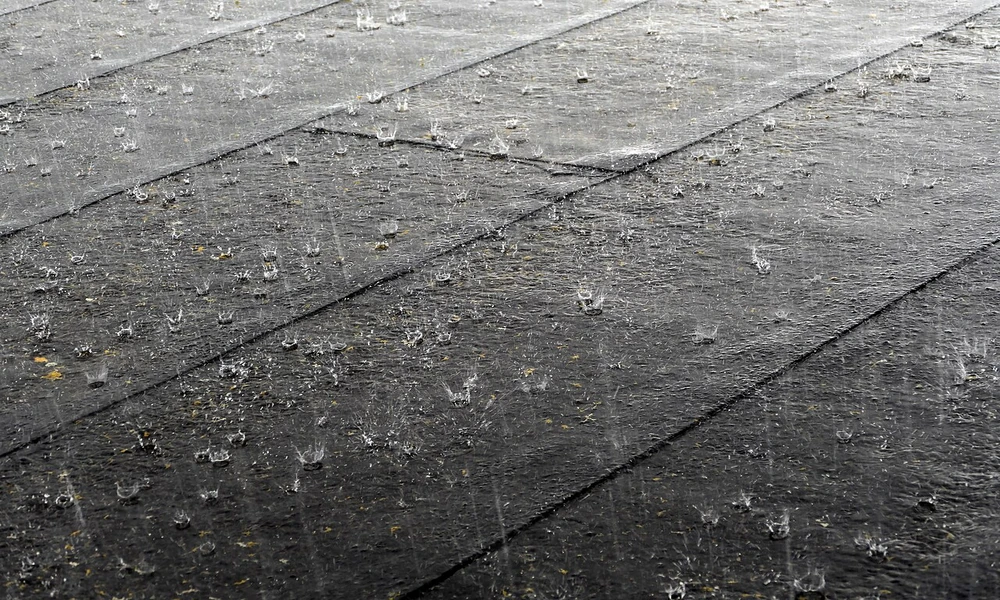
An inch of rain on a 1,500 square foot roof sends roughly 900 gallons of water looking for a way down. Most homeowners never think about that trip until something along the route fails and the water finds a shortcut through a ceiling, a window frame or a basement wall. Contractors who work through Ohio’s freeze and thaw seasons, like CR Wilson Roofing in Bellbrook, tend to see a house the way water does, as one continuous path from the ridge to the soil rather than a handful of separate projects.
That way of looking at a home is worth borrowing. Follow one raindrop from the peak to the ground and you learn where damage starts, why it spreads, and which small repairs keep a big one from ever happening.
The First Few Feet Decide More Than You Think
The raindrop lands near the ridge, where cap shingles and the ridge vent take the most wind. Asphalt shingles are held down by nails and by a sealant strip that bonds each course to the one below it in warm weather. A strong gust can break that bond without tearing the shingle off. The tab lifts, creases, and settles back down looking almost normal. From the driveway you would never notice, but the next wind-driven rain gets underneath.
The surface itself matters too. Those rough granules on every shingle shield the asphalt from sunlight. As a roof ages, granules loosen and wash away, and the exposed asphalt dries out and cracks faster. Hail speeds this up by bruising the mat underneath, which is why a roof can look fine after a storm and start leaking a year later.
Every Seam Is an Open Invitation
Water rarely gets in through the middle of a healthy shingle. It gets in where the roof is interrupted. Chimneys, skylights, plumbing vents, valleys and walls all need metal flashing or rubber boots to steer water past the gap.
Pipe boots are a common culprit. The rubber collar around a vent pipe often cracks from sun exposure well before the shingles around it are worn out, so a leak shows up on a roof that otherwise has years left.
Another overlooked piece is the kickout flashing, a small bent piece of metal at the bottom of a roof edge where it meets a sidewall. Without it, water running down the step flashing pours straight behind the siding. The rot that follows stays hidden inside the wall for years, and homeowners usually find it only when a window sill turns soft.
Trouble at the Edge in January
Southwest Ohio winters swing above and below freezing again and again, and that rhythm creates ice dams. Heat leaking from a poorly insulated attic melts snow on the upper roof. The meltwater runs down to the cold eave, refreezes, and builds a ridge of ice. The next round of melt pools behind that ridge and backs up under the shingles.
Two layers of defense help here. A self-adhering ice and water membrane installed along the eaves blocks water that gets pushed uphill. Better attic insulation and ventilation address the actual cause by keeping the roof deck cold and even. A metal drip edge along the perimeter keeps water from curling back onto the fascia board and rotting it from behind the gutter.
The Gutter’s Small, Thankless Job
At the edge, our raindrop joins everything else coming off the roof and drops into the gutter. Seamless gutters, formed on site from a continuous coil of aluminum, leave far fewer joints to separate and drip than sectional runs pieced together from store-bought lengths. Size matters as well. Larger roofs and steep pitches often need six inch gutters and wider downspouts, because a five inch system can overflow in a heavy summer storm even when perfectly clean.
Slope is the detail people rarely check. A gutter needs a gentle fall toward the downspout, commonly around a quarter inch over ten feet. Too flat and water sits, freezes and pulls the hangers loose. Watch for dirty vertical stripes on the siding below or mulch washed out of the beds, both signs of overflow.
Gutter screens reduce how often that overflow happens. Ohio yards shed maple seeds, oak tassels and pine needles, and coarse screens let the smaller debris slip through. Fine micro-mesh guards handle it better. None of them eliminate maintenance entirely, but they turn a twice-a-season ladder job into an occasional rinse.
Down the Wall and Away From the House
From the downspout, water should land at least four to six feet from the foundation, on ground that slopes away from the house. A short elbow that dumps water against the basement wall undoes all the good work above it.
Siding is part of this path even when it is working perfectly. It sheds most rain, but the housewrap and flashing behind it form the real barrier. Cracked or warped vinyl panels, gaps around trim and missing caulk at window heads let water reach that inner layer more often than it was designed for.
What the Stains Are Trying to Tell You
Black streaks on the shaded side of a roof usually come from an algae called Gloeocapsa magma, which feeds on the limestone filler used in many shingles. Moss is more serious because it holds moisture against the surface. Green film on north-facing siding points to the same damp, shaded conditions.
The fix is soft washing, which uses low pressure and a cleaning solution. A pressure washer strips granules off shingles and can force water behind siding, so it often causes more harm than the stain did.
After any major storm, a slow walk around the house tells you most of what you need to know.
- Look at downspout outlets for piles of granules, which signal shingle wear or hail impact.
- Scan the roof from the yard for missing, lifted or creased shingles along the ridge and edges.
- Check gutters for sagging runs, dents or sections pulling away from the fascia.
- Step into the attic with a flashlight and look for damp decking or daylight around vents.
- Photograph anything unusual with the date visible, since insurers often set time limits on storm claims.
Thinking Like the Water
A roof, its gutters and the walls below age together and fail together. When one part is replaced, it is usually the right moment to look at its neighbors, since new shingles and drip edge tie directly into the gutter line. Follow the raindrop once, from ridge to soil, and you will know exactly where your house is doing its job and where the water is quietly winning.