

Historical Use of Asbestos in Construction
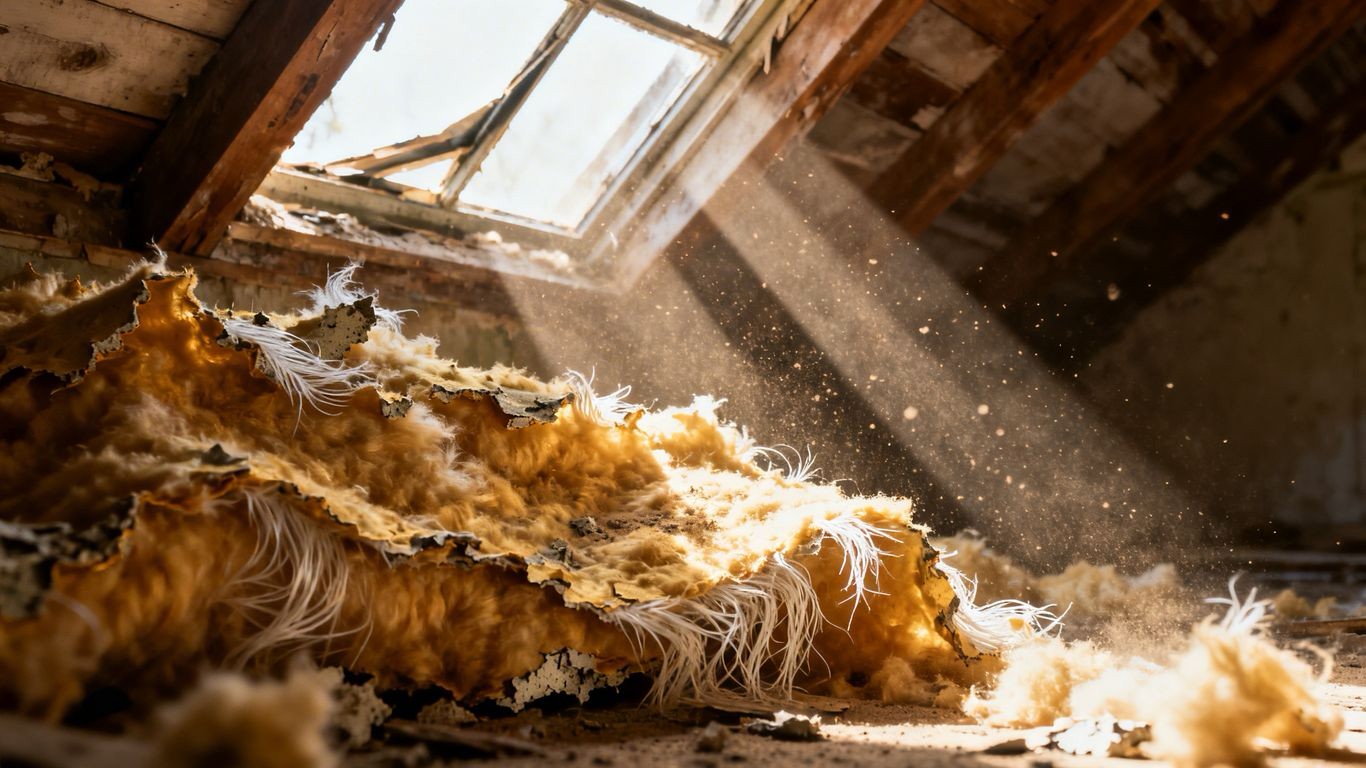
Asbestos, a naturally occurring mineral, was widely incorporated into building materials for decades, particularly before the 1970s. Its remarkable properties, like heat resistance and strength, made it a popular additive in everything from insulation and roofing to flooring and siding. In military housing built during this era, asbestos was often used because it was cost-effective and provided good fireproofing. This widespread use means that many older homes, including those on military bases, may still contain asbestos-containing materials (ACMs). While asbestos itself isn’t dangerous when undisturbed, its fibers can become airborne if the material is damaged or disturbed.
Identifying Asbestos-Containing Materials
It’s often impossible to tell if a material contains asbestos just by looking at it. Unless a product is clearly labeled, the only way to be certain is through professional testing. However, certain materials are more likely to contain asbestos, especially in older homes:
- Insulation: Pipe wrap, furnace insulation, and boiler insulation frequently used asbestos.
- Flooring: Vinyl floor tiles, sheet flooring, and the adhesives used to install them can contain asbestos.
- Roofing and Siding: Asbestos cement shingles and siding were common due to their durability and fire resistance.
If you suspect a material contains asbestos, the safest approach is to treat it as if it does until it can be tested. Disturbing suspect materials without proper knowledge or precautions can release harmful fibers into the air.
Health Risks Associated with Asbestos Inhalation
When asbestos-containing materials are damaged, microscopic fibers can be released into the air. If these fibers are inhaled, they can become lodged in the lungs and other organs. Over time, this can lead to serious lung diseases, including asbestosis (scarring of the lungs), lung cancer, and mesothelioma (a cancer of the lining of the chest and abdomen). The symptoms of these diseases often don’t appear for 20 to 30 years after exposure, making early detection and prevention critical. While occasional, low-level exposure in daily life is generally not considered a significant risk for most people, prolonged or high-level exposure, especially from disturbed materials, increases the risk of developing these health problems. Military families who receive a mesothelioma diagnosis after years of on-base exposure can review current mesothelioma survival rate data and factors to understand how early detection and treatment choices affect outcomes.
Common Locations of Asbestos in Older Housing
Older homes, especially those built before the 1970s, often contain asbestos in various building materials. Identifying these common areas is the first step in understanding potential exposure risks within military on-base housing.
Asbestos in Roofing and Siding Materials
Asbestos was frequently mixed with cement to create durable roofing shingles and siding panels. These materials were popular because they were fire-resistant and long-lasting. While intact asbestos cement roofing and siding are generally stable, they can release fibers if they are cut, drilled, or damaged. This is particularly relevant during renovations or if the materials become weathered and brittle over time.
Flooring and Adhesives Containing Asbestos
Many types of flooring installed in older homes contained asbestos. This includes:
- Vinyl asbestos floor tiles
- Asphalt and rubber tiles
- The backing material on vinyl sheet flooring
- Adhesives used to secure these floor coverings
Sanding or scraping these materials, especially during removal or refinishing, can release asbestos fibers into the air. Even the dust generated from cutting tiles can pose a risk.
Insulation and Furnace Components
Asbestos was widely used as an insulator due to its heat-resistant properties. Common places to find it include:
- Pipe insulation (often wrapped in asbestos blankets or paper tape)
- Furnace and boiler insulation (including cement millboard or paper used around the units)
- Duct insulation within heating and cooling systems
- Door gaskets and seals in older furnaces, wood stoves, and coal stoves
Disturbing these components during maintenance, repair, or replacement can lead to the release of asbestos fibers. Worn-out seals on stoves or furnaces are also a concern.
Assessing and Mitigating Military On-Base Housing Exposure
When dealing with potential asbestos in older on-base housing, a structured approach to assessment and mitigation is key. It’s not something to take lightly, as improper handling can actually make things worse. The first step involves getting a professional opinion.
Professional Asbestos Inspection and Testing
A thorough inspection by a certified professional is the most reliable way to determine if asbestos is present and where it might be located. These experts have the training and equipment to identify suspect materials without disturbing them. They will collect samples from various areas of the home, such as:
- Ceiling tiles and popcorn ceilings
- Vinyl flooring and the adhesive used to install it
- Insulation around pipes, furnaces, and ductwork
- Roofing and siding materials
These samples are then sent to a laboratory for analysis. The lab results will confirm whether asbestos is present and identify the specific type. This information is vital for planning any necessary remediation. For those concerned about past exposure, resources are available to help understand treatment options and filing claims, particularly for groups like Coast Guard veterans.
Safe Handling and Removal Procedures
If asbestos is confirmed, safe handling and removal are paramount. This is not a DIY project. Disturbing asbestos-containing materials can release microscopic fibers into the air, which, when inhaled, pose serious health risks. Residents concerned about past exposure can also consult mesothelioma survival rate statistics to understand how promptly addressing symptoms affects prognosis. Certified asbestos abatement professionals follow strict protocols to minimize exposure during removal. These procedures typically include:
- Containment: Creating a sealed-off work area using plastic sheeting and negative air pressure to prevent fibers from spreading to other parts of the house.
- Wetting: Spraying suspect materials with water or a wetting agent to keep fibers from becoming airborne during removal.
- Removal: Carefully removing the asbestos-containing materials using specialized tools.
- Cleaning: Thoroughly cleaning the work area with HEPA vacuums and wet wiping to remove any residual dust.
- Disposal: Transporting the removed materials to a licensed landfill in specially marked, sealed bags.
Regulatory Compliance for Asbestos Abatement
All asbestos abatement projects must comply with federal, state, and local regulations. These rules dictate how asbestos must be identified, handled, removed, and disposed of. Agencies like the Environmental Protection Agency (EPA) provide guidance on asbestos control, and state and local authorities often have their own specific requirements. Military housing management is responsible for adhering to these standards to protect residents. This includes ensuring that any contractors hired for abatement are properly licensed and certified. For residents, understanding these regulations can help in asking the right questions and confirming that work is being done safely and legally.
Preventative Measures for Military Families
Recognizing Potential Asbestos Hazards
It is important for families living in older on-base housing to be aware of the potential presence of asbestos. While not all older homes contain asbestos, many built before the 1980s did, as it was a common building material. Identifying these materials often requires a trained eye, as asbestos was incorporated into a wide range of products. Common culprits include textured paints and coatings, insulation around pipes and boilers, vinyl floor tiles and the adhesive used to lay them, and some roofing and siding shingles. Homeowners should treat any suspect material with caution until it can be properly identified.
Minimizing Disturbance of Suspect Materials
The primary way to prevent asbestos exposure is to avoid disturbing materials that may contain it. Asbestos fibers are only released into the air when these materials are damaged, cut, sanded, or otherwise altered. Therefore, activities that could compromise these materials should be approached with extreme care. This includes avoiding activities like drilling into walls, sanding down old paint, or removing old flooring without professional guidance. If you notice damaged materials, such as crumbling insulation or cracked tiles, it is best to leave them undisturbed and report the issue. For those already navigating a diagnosis from past exposure, resources on mesothelioma prognosis and survival rates can provide context for discussions with oncologists and VA care teams.
Importance of Regular Maintenance Checks
Regular maintenance of your on-base housing can play a significant role in preventing potential asbestos exposure. During routine checks, pay attention to the condition of building materials, especially those known to potentially contain asbestos. Look for signs of wear and tear, such as cracks, peeling, or water damage, on items like roofing, siding, flooring, and around heating systems. Promptly reporting any observed damage to the appropriate housing authority allows for professional assessment and remediation before fibers can become airborne. This proactive approach helps maintain a safer living environment for all family members. Those who develop mesothelioma despite these precautions can explore resources covering mesothelioma life expectancy and legal help, including how diagnosis timing affects the options available to them and their families.
The Role of Environmental Agencies
Environmental agencies play a significant part in setting standards and providing guidance for managing hazardous materials like asbestos. These organizations work to protect public health by establishing regulations and offering resources to help individuals and communities identify and address potential risks. For those living in older military housing, understanding the role of these agencies is key to ensuring a safe living environment.
EPA Guidance on Asbestos Control
The U.S. Environmental Protection Agency (EPA) is a primary federal body involved in asbestos regulation. The EPA provides extensive information and guidelines on asbestos identification, safe handling, and abatement procedures. While direct regulation of private homes can be limited, the EPA’s standards often influence state and local rules. They offer resources that can help residents understand the risks associated with asbestos and the proper steps to take if a hazard is suspected. The agency’s focus is on preventing exposure and minimizing health risks. Families navigating a diagnosis can also access mesothelioma prognosis guidance to understand what the diagnosis means for their medical and financial planning. For those dealing with potential asbestos issues, consulting EPA publications can be a starting point for understanding asbestos control measures.
State and Local Regulations
Beyond federal guidelines, state and local environmental and health departments often have their own specific regulations concerning asbestos. These can include requirements for licensing asbestos professionals, specific procedures for abatement projects, and notification requirements for homeowners. It is important for residents to be aware of these local rules, as they may be more stringent than federal ones. These agencies can also be a source for lists of certified contractors and inspectors in your area, helping you find qualified professionals to assess and manage any asbestos concerns.
Resources for Military Housing Residents
Military families living in on-base housing can access a variety of resources to help them manage potential asbestos exposure. While the primary responsibility for housing maintenance often lies with the base or its contractors, residents have a right to information and safe living conditions. Agencies like the EPA, along with state and local health departments, provide public information that can empower residents. Additionally, military families can inquire with their base housing office about specific asbestos management plans and testing protocols in place. Understanding these resources and knowing who to contact can make a significant difference in addressing concerns about asbestos in their homes.