


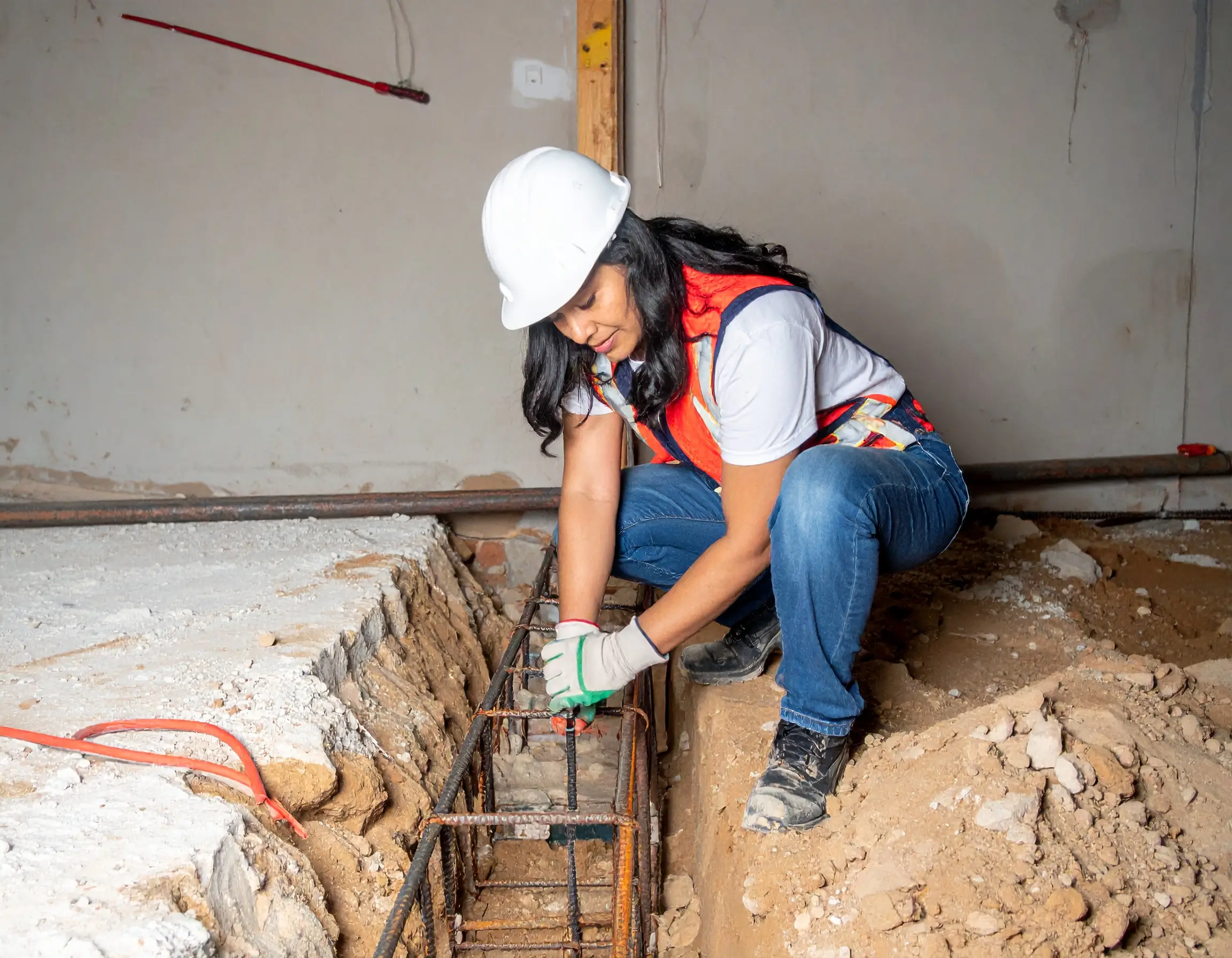
Completing a basement underpinning project is a major investment that transforms not only the structure of a home but also its usability and value. Once the work is done, the next step is protecting that investment through proper care and maintenance. While underpinned basements are designed for long-term stability, consistent attention ensures they remain dry, crack-free, and structurally sound for decades.
Caring for an underpinned basement isn’t complicated—it’s about awareness and prevention. Simple habits like managing moisture, maintaining drainage systems, and scheduling routine inspections can go a long way toward preserving the integrity of the foundation. Understanding what to look for and acting quickly when issues arise keeps the space safe, comfortable, and ready for everyday use.
Monitoring Moisture: The Key to Longevity
Moisture is one of the biggest threats to any foundation, especially one that’s been newly underpinned. Regularly checking for dampness or leaks helps identify problems early before they escalate. Look for signs like condensation on walls, musty odours, or small patches of discolouration—these may indicate excess humidity or minor water intrusion.
Installing a dehumidifier, especially in summer months, helps regulate humidity levels and prevents mould growth. Outside, ensuring downspouts and gutters direct water away from the home is crucial. Proper grading around the property also encourages runoff to flow away from the foundation. Preventing water buildup near the basement walls protects both the structure and the comfort of the living space inside.
Routine Inspections for Cracks and Settlement
Even though basement underpinning is designed to stabilize shifting soil and uneven foundations, natural settling can still occur over time. Regular visual inspections of walls, floors, and corners help spot early signs of movement. Hairline cracks aren’t always cause for concern, but widening gaps or uneven floors should be evaluated by a professional.
Scheduling an annual foundation inspection is a smart habit. A qualified specialist can assess whether small imperfections are harmless or require intervention. Catching settlement issues early allows for simple fixes rather than costly repairs. Proactive monitoring not only preserves the structure but also ensures lasting confidence in the quality of the underpinning work.
Maintaining Proper Drainage Systems
Effective drainage is one of the most important defences for an underpinned basement. If the home includes a weeping tile system, sump pump, or interior drainage setup, these components must remain clear and functional. A clogged sump pump or blocked drain can quickly lead to water pooling and foundation stress.
Regularly testing the sump pump—especially before spring thaw or heavy rain seasons—ensures it’s ready when needed. Cleaning gutters and ensuring extensions move water well away from the foundation prevent soil saturation and hydrostatic pressure. These small maintenance steps maintain balance in the surrounding soil, keeping the underpinning stable and strong.
Regulating Indoor Environment
Temperature and humidity play a major role in long-term structural health. Maintaining consistent indoor conditions helps prevent materials from expanding or contracting excessively. In finished basements, using proper insulation and vapour barriers ensures walls and floors remain dry and protected.
Air circulation also matters. Running fans or dehumidifiers occasionally can reduce musty odours and discourage mould or mildew. The goal is to keep the air fresh and balanced. Basement underpinning often turns previously cold, damp areas into livable spaces—maintaining that comfort depends on steady environmental control.
Protecting Finished Surfaces
Once a basement has been underpinned and renovated, it’s important to treat it like any other living space. Protecting finishes helps preserve both function and appearance. For example, avoid using carpet directly over concrete floors unless a moisture barrier is installed. Area rugs and modular flooring systems provide warmth while allowing for airflow.
Inspect painted or finished walls periodically for bubbling or peeling paint, which may signal hidden moisture. Keeping the space clean, dry, and clutter-free also makes it easier to spot potential issues early. When taken together, these small practices ensure that the improvements gained through underpinning last for generations.
The Role of Landscaping and Exterior Care
What happens outside the home can impact what’s below it. Heavy landscaping near the foundation can alter soil drainage, while large trees may draw moisture unevenly from the ground. Keeping flower beds, patios, and other features at least a metre away from the basement wall allows the soil to drain properly.
Additionally, checking the slope of the yard once or twice a year helps ensure water continues to flow away from the home. Even a slight change in grade can make a difference. By combining good landscaping habits with solid foundation care, homeowners can protect their basement underpinning from unnecessary stress and erosion.
Professional Maintenance and Peace of Mind
Even with regular homeowner care, scheduling professional inspections every few years provides added security. Experts can use precision tools to measure movement, check waterproofing systems, and identify small changes invisible to the eye. Professional maintenance complements everyday upkeep by confirming that the underpinning remains sound and performing as intended.
Homeowners who invest in long-term monitoring plans or warranties gain valuable peace of mind. Many underpinning contractors offer extended support services to ensure the foundation remains stable. This partnership between homeowner and expert keeps the property safe, efficient, and structurally resilient well into the future.
The Foundation of Confidence
A strong foundation doesn’t maintain itself—it thrives with care, awareness, and consistency. Simple habits like managing moisture, monitoring cracks, and maintaining drainage keep basement underpinning in top condition for decades. By combining homeowner diligence with professional oversight, the investment continues to pay off year after year. A well-cared-for foundation doesn’t just support a home—it supports peace of mind, comfort, and long-term value.